HVAC Emergency Service 24/7: What to Expect During a Call sets the stage for this informative guide, shedding light on the crucial aspects of emergency HVAC services with clarity and depth.
Readers will delve into the intricacies of handling HVAC emergencies, from initial assessment to on-site response, gaining valuable insights into this critical service.
Introduction to HVAC Emergency Service 24/7
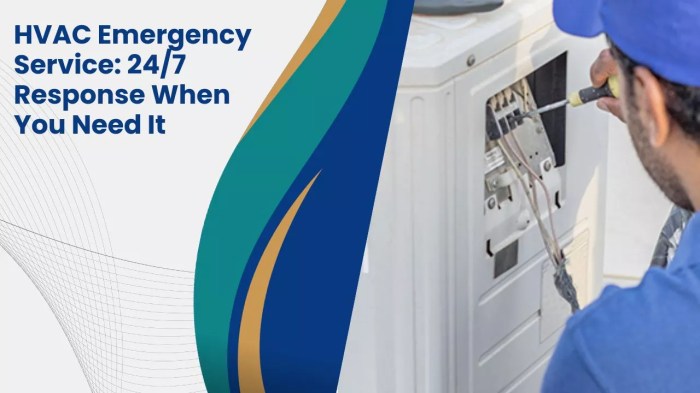
HVAC emergency service refers to the immediate assistance provided for heating, ventilation, and air conditioning systems during unexpected breakdowns or malfunctions. This service is crucial in ensuring the comfort, safety, and well-being of individuals, especially during extreme weather conditions.
Having 24/7 availability in HVAC services is essential because emergencies can occur at any time, day or night. Issues with HVAC systems can lead to discomfort, health risks, or damage to property if not addressed promptly. Therefore, round-the-clock service ensures that help is always accessible when needed the most.
Common Scenarios Requiring Emergency HVAC Services
- Complete system failure during extreme temperatures, such as heatwaves or cold spells.
- Gas leaks or unusual odors coming from the HVAC system, indicating a potential safety hazard.
- Water leaks or flooding caused by a malfunctioning air conditioning unit or furnace.
- Lack of heating or cooling in critical facilities like hospitals, nursing homes, or data centers.
What to Expect When Making the Call
When calling for HVAC emergency service, there are certain steps involved to ensure a prompt and efficient response from the technician. Providing the necessary information accurately and promptly can help expedite the process and address the issue effectively.
Information Needed from the Caller
- Full name and contact number
- Address of the location needing service
- Description of the issue or problem with the HVAC system
- Any relevant details or observations that could assist the technician
Impact of Urgency on Response Time
When the situation is deemed urgent, such as a complete breakdown of the HVAC system or a safety concern, the response time is typically faster. HVAC emergency services prioritize urgent calls to ensure that critical issues are addressed promptly. Providing clear and concise information about the urgency of the situation can help the technician assess the priority level and respond accordingly.
Initial Assessment and Troubleshooting
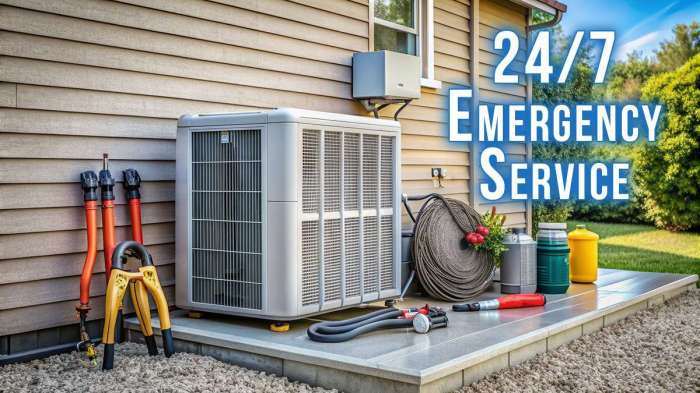
When you contact HVAC emergency services, the technicians will begin by conducting an initial assessment of the situation to determine the severity of the issue and the necessary steps to resolve it.
Assessment Process
During the assessment, HVAC technicians will gather information from you regarding the symptoms of the problem, such as strange noises, lack of heating or cooling, or unusual odors. They may also ask about any recent maintenance or repairs that could be related to the current issue.
- Inspecting the HVAC System: The technicians will visually inspect the HVAC system to check for any visible signs of damage, leaks, or blockages.
- Testing Components: They will test various components of the system, such as the thermostat, air filters, electrical connections, and refrigerant levels, to identify any potential issues.
- Checking for Safety Hazards: Technicians will also look for any safety hazards, such as gas leaks or electrical problems, that could pose a risk to your home.
Troubleshooting
After the initial assessment, HVAC technicians will proceed with troubleshooting to pinpoint the root cause of the emergency situation and develop a plan for repair.
- Diagnostic Tools: Technicians use specialized diagnostic tools to identify the specific problem within the HVAC system accurately.
- Testing Procedures: They will perform a series of tests to isolate the faulty component or system area causing the emergency, ensuring an accurate diagnosis.
- Problem Resolution: Once the issue is identified, the technicians will discuss the findings with you and propose a solution to address the problem effectively.
Common HVAC Emergencies
Some common HVAC emergencies include:
- Complete System Failure
- Gas Leaks
- Frozen Evaporator Coils
Each of these emergencies will be assessed by HVAC technicians using a combination of visual inspection, testing, and troubleshooting techniques to determine the best course of action for repair.
On-Site Response and Repair
Upon arrival at the site, the HVAC technician will proceed with the necessary repairs based on the assessment conducted earlier. The technician will follow established protocols to ensure a safe and efficient repair process for different types of HVAC emergencies.
Safety measures are paramount during the repair work to protect both the technician and the occupants of the building.
Repair Process for Different Types of HVAC Emergencies
- For issues like a malfunctioning furnace or heating system, the technician will inspect the unit, identify the root cause of the problem, and perform the necessary repairs or parts replacement.
- In the case of a refrigerant leak in an air conditioning system, the technician will locate the leak, repair it, and recharge the system with the appropriate refrigerant.
- If there is a problem with the ventilation system causing poor indoor air quality, the technician will clean or replace air filters, ductwork, or other components to improve air circulation.
Safety Measures During Repair Work
- The technician will ensure that all power sources to the HVAC system are switched off before starting any repair work to prevent electrical hazards.
- Proper ventilation will be maintained during repair activities to prevent the buildup of harmful gases like carbon monoxide.
- Personal protective equipment, such as gloves and goggles, will be worn by the technician to ensure their safety while handling equipment and chemicals.
Communication and Updates
Effective communication is essential in HVAC emergency services to ensure a smooth and successful repair process. Maintaining open lines of communication between the HVAC technician and the customer helps in managing expectations and providing timely updates throughout the service.
Importance of Regular Updates
Regular updates during the repair process are crucial for keeping the customer informed and reassured. By providing updates on the progress of the repair, any unexpected challenges encountered, or changes in the timeline, the customer feels more involved and can make necessary arrangements accordingly.
- Updating the customer on the estimated time of arrival of the technician
- Informing the customer about any additional parts or repairs needed
- Notifying the customer of any delays or changes in the repair process
Effective Communication Strategies
In HVAC emergency services, effective communication strategies can help build trust and ensure customer satisfaction. Some examples include:
Using clear and concise language to explain the issue and the repair process
- Active listening to understand the customer's concerns and questions
- Providing updates through multiple channels such as phone calls, text messages, or emails
- Offering detailed explanations of the repair plan and any changes in the process
Final Wrap-Up
In conclusion, understanding what to expect during an HVAC emergency service call is key to ensuring a prompt and effective resolution to any heating or cooling issue. Stay informed, stay prepared, and stay comfortable in your home.
FAQ Corner
What information should I provide when calling for HVAC emergency service?
When making the call, be ready to provide your address, a brief description of the issue, and any relevant details about your HVAC system.
How long does it typically take for an HVAC technician to respond to an emergency call?
Response times can vary, but HVAC companies strive to reach you promptly, especially in urgent situations.
What safety measures are followed during HVAC emergency repairs?
HVAC technicians prioritize safety by wearing protective gear, following protocols, and ensuring a secure work environment.