Embark on a journey through the world of AC commercial repair, where the importance of regular maintenance and the common issues faced by commercial AC units come to light. Dive into the complexities of different types of AC systems in commercial settings and explore key factors to consider for effective AC repairs.
Uncover maintenance practices for long-term AC efficiency that businesses can implement for optimal performance.
Overview of AC Commercial Repair
Regular maintenance is crucial for commercial AC systems to ensure optimal performance and longevity. By scheduling routine maintenance, businesses can prevent costly breakdowns and ensure that their employees and customers are comfortable in a well-cooled environment.Common issues faced by commercial AC units include refrigerant leaks, sensor problems, electrical control failures, and drainage issues. These issues can lead to inefficient cooling, poor air quality, and even complete system failure if not addressed promptly.Examples of Commercial Establishments Requiring Efficient AC Repair Services
- Hospitals: Healthcare facilities require reliable AC systems to maintain a comfortable and sterile environment for patients and medical staff.
- Restaurants: Properly functioning AC units are essential for ensuring a pleasant dining experience for customers and a comfortable working environment for kitchen staff.
- Office Buildings: AC systems in office buildings need to be in top condition to create a productive and comfortable workspace for employees.
- Retail Stores: Retail establishments rely on AC systems to keep customers comfortable and encourage them to stay longer and make purchases.
Types of AC Systems in Commercial Settings
When it comes to cooling large commercial spaces, different types of AC systems are utilized based on the specific needs and requirements of the building. Let's explore the various options available for commercial settings.Central AC Units vs. Ductless Mini-Split Systems
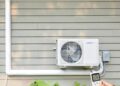
In commercial buildings, central AC units are commonly used to cool large areas efficiently. These systems consist of a central unit that distributes cool air through ducts to different parts of the building. On the other hand, ductless mini-split systems offer a more flexible solution, allowing for independent temperature control in different zones without the need for ductwork. While central AC units are ideal for larger spaces with consistent cooling needs, ductless mini-split systems are suitable for buildings where zoning and individual control are essential.Advantages and Disadvantages of Rooftop AC Units
Rooftop AC units are often preferred in commercial buildings due to their space-saving design and easy installation. These units are placed on the roof of the building, allowing for efficient cooling without taking up valuable indoor space. However, rooftop AC units can be challenging to maintain and repair, as accessing the unit for service may require specialized equipment and expertise. Additionally, exposure to the elements on the roof can lead to increased wear and tear on the unit.Complexities of Maintaining Large-Scale AC Systems in Industrial Settings
Industrial settings often require large-scale AC systems to cool expansive areas such as warehouses, manufacturing plants, or data centers. Maintaining these systems can be complex, as they typically involve multiple units working together to provide adequate cooling. Regular maintenance, including cleaning filters, checking refrigerant levels, and inspecting components, is crucial to ensure the efficient operation of these systems. Moreover, industrial AC systems may require specialized training and expertise for servicing due to their size and complexity.Key Factors to Consider for AC Repairs
When it comes to AC repairs in commercial settings, there are several key factors that businesses need to consider. Proper maintenance and timely repairs are crucial to ensure the smooth operation of the AC systems, which are essential for creating a comfortable working environment for employees and customers.Crucial Components Requiring Repair
- Compressor: The compressor is a vital component of an AC system that may need repair due to wear and tear or electrical issues.
- Condenser Coils: Over time, condenser coils can get dirty or damaged, affecting the overall efficiency of the system.
- Evaporator Coils: Similar to condenser coils, evaporator coils can also accumulate dirt or ice, leading to reduced cooling capacity.
- Refrigerant Leaks: Refrigerant leaks not only impact the cooling performance but can also be harmful to the environment.
Role of HVAC Technicians
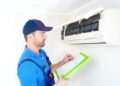
Professional HVAC technicians play a crucial role in diagnosing and fixing AC issues in commercial settings. Their expertise and experience enable them to identify the root cause of the problem and provide effective solutions. From routine maintenance to complex repairs, HVAC technicians ensure that the AC systems operate efficiently and reliably.Tips to Minimize Downtime
- Schedule Regular Maintenance: Preventive maintenance can help identify potential issues before they escalate, reducing the need for emergency repairs.
- Work with Trusted Professionals: Partnering with reputable HVAC service providers ensures timely and quality repairs, minimizing downtime for your business.
- Have a Contingency Plan: In case of unexpected AC breakdowns, have a contingency plan in place to address the issue promptly and minimize disruption to your operations.
- Communicate with Employees: Keep your employees informed about any scheduled maintenance or repairs to manage their expectations and minimize inconvenience.