Exploring the world of HVAC furnace repair near me, this introduction sets the stage for a deep dive into the intricacies of finding reliable repair services in your local area. From understanding the importance of choosing the right company to navigating the process of DIY troubleshooting, this guide covers all aspects of HVAC furnace repair with a focus on practicality and efficiency.
As we navigate through the different sections, you will gain valuable insights on common issues, DIY techniques, hiring professional services, and more, ensuring you are well-equipped to make informed decisions regarding your HVAC system.
Finding HVAC Furnace Repair Services
When your HVAC furnace needs repair, it's essential to find a reliable service provider to ensure a quick and effective solution. Here are some ways to find HVAC furnace repair services in your local area:Local Directories and Websites
- Check local directories and websites that list HVAC repair companies in your area.
- Look for companies with good ratings and reviews from past customers.
- Contact a few companies to inquire about their services and pricing.
Ask for Recommendations
- Ask friends, family, or neighbors for recommendations on HVAC repair services they have used and trust.
- Personal recommendations can help you find a reputable and experienced company.
Online Search
- Use search engines to find HVAC repair companies near you.
- Visit the websites of different companies to learn more about their services and expertise.
- Read reviews and testimonials from previous clients to gauge the quality of service.
Common HVAC Furnace Issues
When it comes to HVAC furnace issues, there are several common problems that homeowners may encounter. Recognizing these issues early on can help prevent more significant damage and costly repairs down the line.Some signs that indicate your HVAC furnace may need repair include strange noises such as banging, rattling, or squealing, inconsistent heating throughout your home, a sudden increase in energy bills, and a yellow or flickering pilot light. These warning signs should not be ignored, as they can indicate underlying issues that need to be addressed by a professional technician.Ignoring furnace issues and delaying repairs can pose potential risks to your home and family. A malfunctioning furnace not only affects the comfort of your home but can also lead to safety hazards such as carbon monoxide leaks. Additionally, neglecting furnace repairs can result in more extensive damage to the unit, leading to costly replacements in the future.Common HVAC Furnace Problems
- Dirty or clogged filters: Restricted airflow can cause the furnace to work harder, leading to inefficiency and potential overheating.
- Thermostat issues: Inaccurate temperature readings or a malfunctioning thermostat can result in uneven heating or cooling in your home.
- Ignition or pilot light problems: A faulty ignition system can prevent the furnace from starting up, resulting in no heat production.
- Blower motor issues: A malfunctioning blower motor can hinder the distribution of heated air throughout your home.
DIY Troubleshooting Before Calling for Repair
When your HVAC furnace starts acting up, it can be tempting to call a professional right away. However, there are some basic troubleshooting techniques you can try before reaching out for repair services. Not only can this save you time and money, but it can also help you identify simple issues that you can fix yourself.Basic Troubleshooting Techniques
Before calling for professional help, try these basic troubleshooting steps to see if you can resolve the issue on your own:- Check the thermostat settings to ensure they are set correctly.
- Inspect the furnace filter and replace it if it's dirty or clogged.
- Make sure the circuit breaker for the furnace is not tripped.
- Check the pilot light or ignition system to see if it's functioning properly.
Safety Tips for DIY Furnace Repairs
When attempting to troubleshoot or repair your furnace on your own, it's important to keep safety in mind:- Always turn off the power to the furnace before performing any maintenance or repairs.
- Wear protective gear, such as gloves and safety glasses, to prevent injuries.
- Avoid working on the furnace if you're not confident in your skills or knowledge.
When to DIY and When to Call a Professional
While DIY troubleshooting can help you address minor furnace issues, there are times when it's best to leave the repairs to a professional:- If you're unsure of the problem or how to fix it, it's better to call a professional.
- For complex issues involving electrical components or gas lines, always seek professional help.
- If your attempts at DIY troubleshooting don't resolve the problem, it's time to contact a HVAC technician.
Hiring HVAC Repair Services
When it comes to HVAC furnace repair, hiring professional technicians can offer several benefits compared to attempting DIY repairs. Not only do HVAC experts have the necessary training and experience to accurately diagnose and fix issues, but they also have access to specialized tools and equipment to ensure the job is done correctly the first time.Benefits of Professional HVAC Technicians
- Expertise: Professional technicians have the knowledge and skills to quickly identify and resolve HVAC furnace problems.
- Quality Work: Professionals can provide high-quality repairs that are built to last, reducing the likelihood of future issues.
- Safety: HVAC systems can be complex and potentially dangerous to work on without proper training. Hiring professionals ensures safety for both you and your system.
- Warranty: Many HVAC repair companies offer warranties on their work, providing peace of mind in case any issues arise after the repair.
Scheduling and Hiring HVAC Repair Services
- Research: Start by researching local HVAC repair companies and reading reviews to find a reputable service provider.
- Request Quotes: Contact multiple companies to get quotes for the repair work needed, and compare prices and services offered.
- Schedule Appointment: Once you've chosen a company, schedule an appointment for the HVAC technician to visit your home and inspect the furnace.
- Discuss Repairs: During the visit, the technician will diagnose the issue and discuss repair options with you, including cost and timeline.
What to Expect During a Typical HVAC Furnace Repair Visit
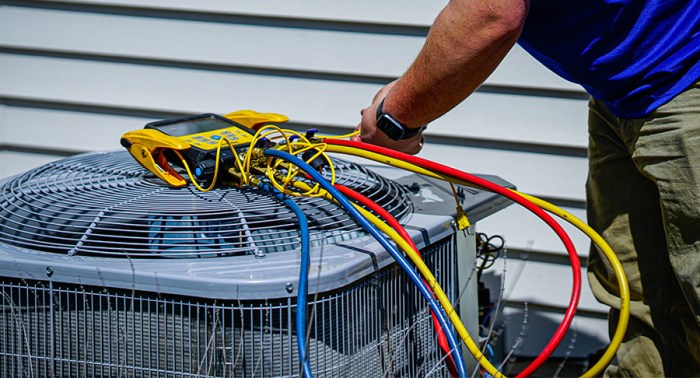
- Diagnosis: The technician will start by diagnosing the problem with your HVAC furnace, using specialized tools and equipment as needed.
- Repair Plan: After identifying the issue, the technician will explain the repair plan and provide a cost estimate for your approval.
- Repair Work: The technician will proceed with the necessary repairs, ensuring that all components are working properly before completing the job.
- Testing: Once the repairs are finished, the technician will test the system to ensure it is functioning correctly and efficiently.